
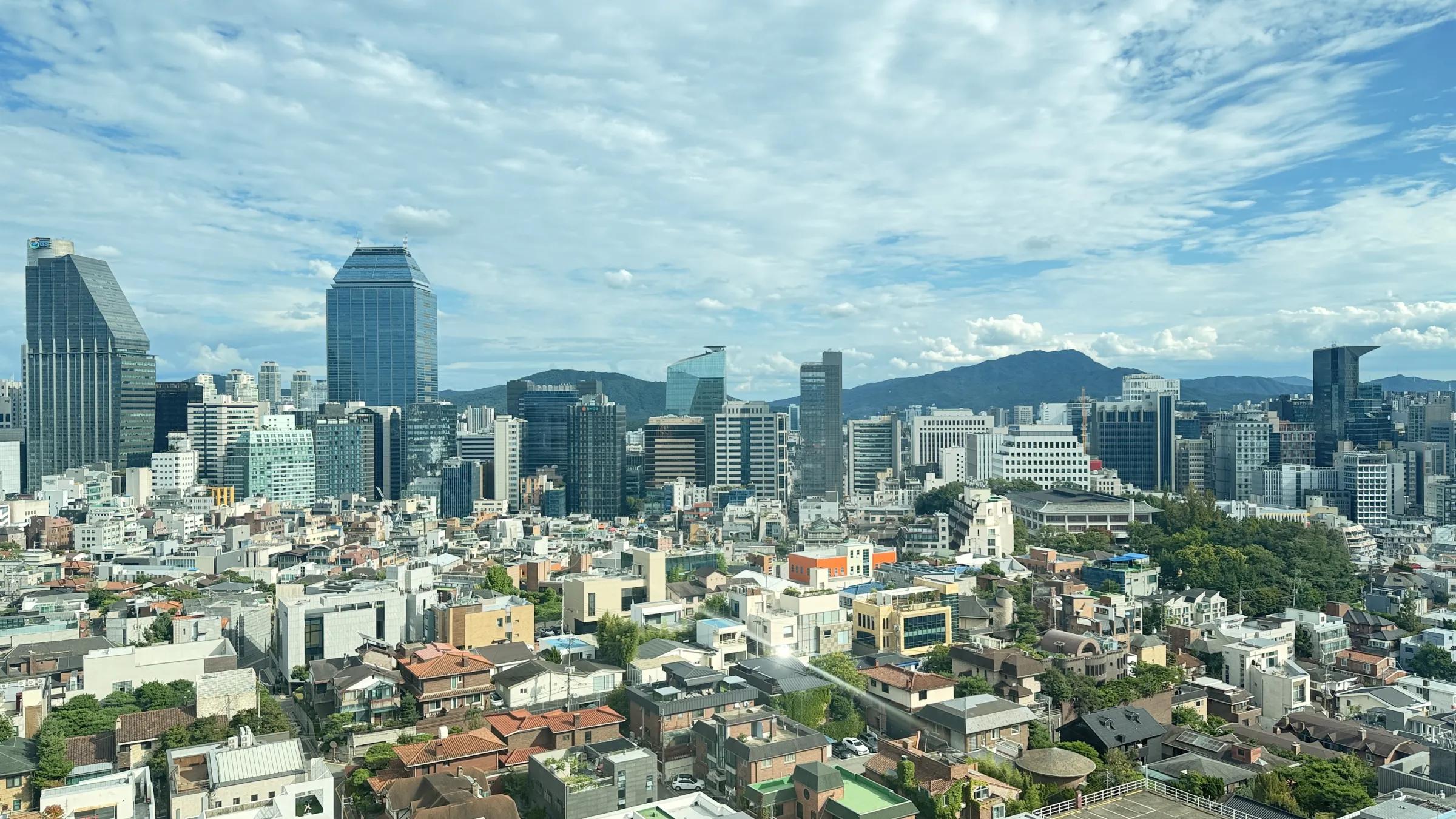
Homes in Seongnam (Bundang, Pangyo and Sujeong)
Last updated: 2026-07-26 · Seoul Homes
Seongnam sits directly south of Seoul and is the closest thing Korea has to a tech-industry housing market. Pangyo Techno Valley put tens of thousands of software and game-industry jobs inside the city, Bundang supplies the mature new-town housing around them, and Sujeong-gu — the older northern half — sits close enough to Gangnam to work as a Seoul commute. This page lists what is currently available across Seongnam.
Properties

Small deposit and all furnished house in Seoul
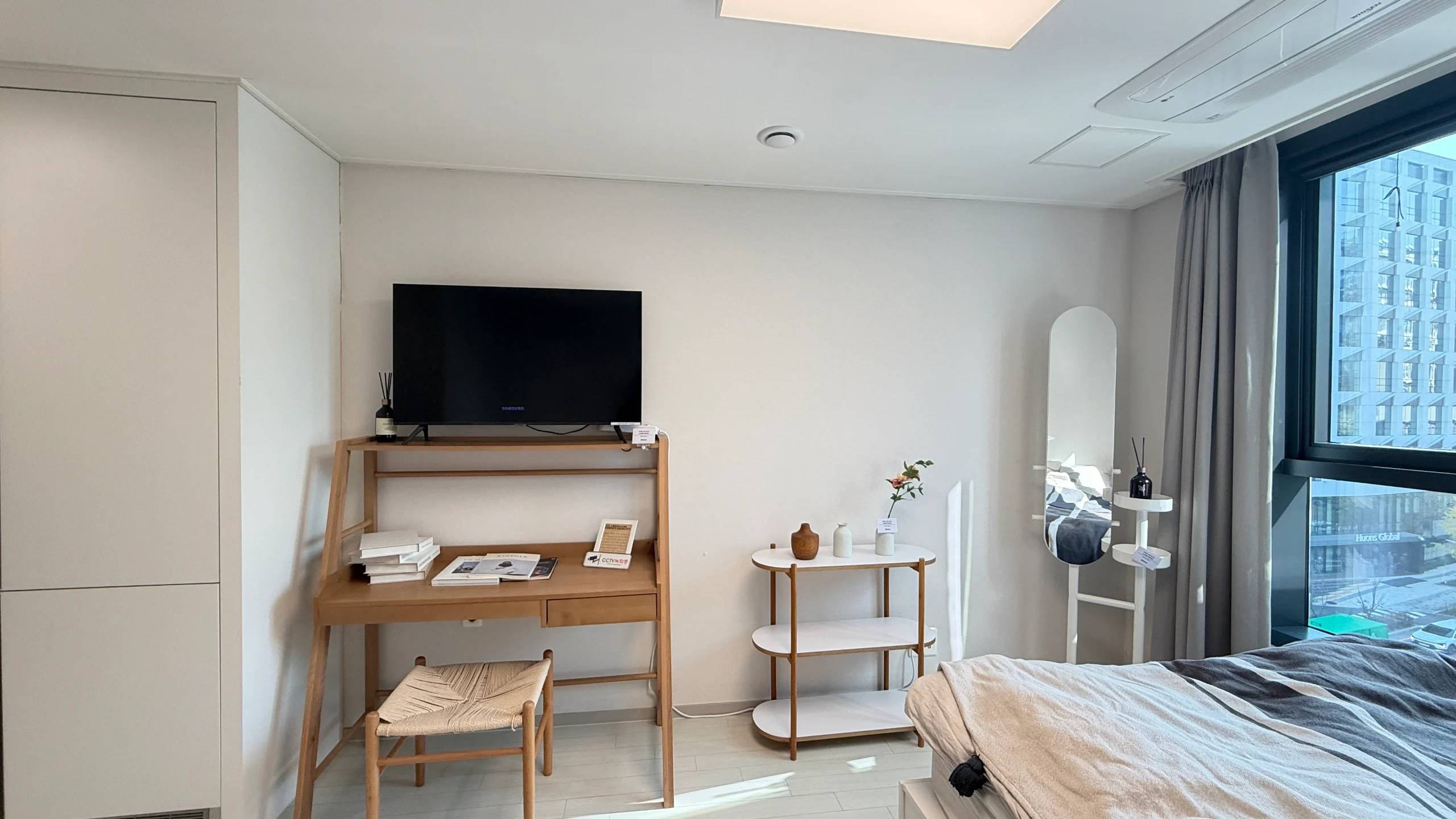
Pet, 1BR, 1BA, ARC, Rent Free for a year contract.
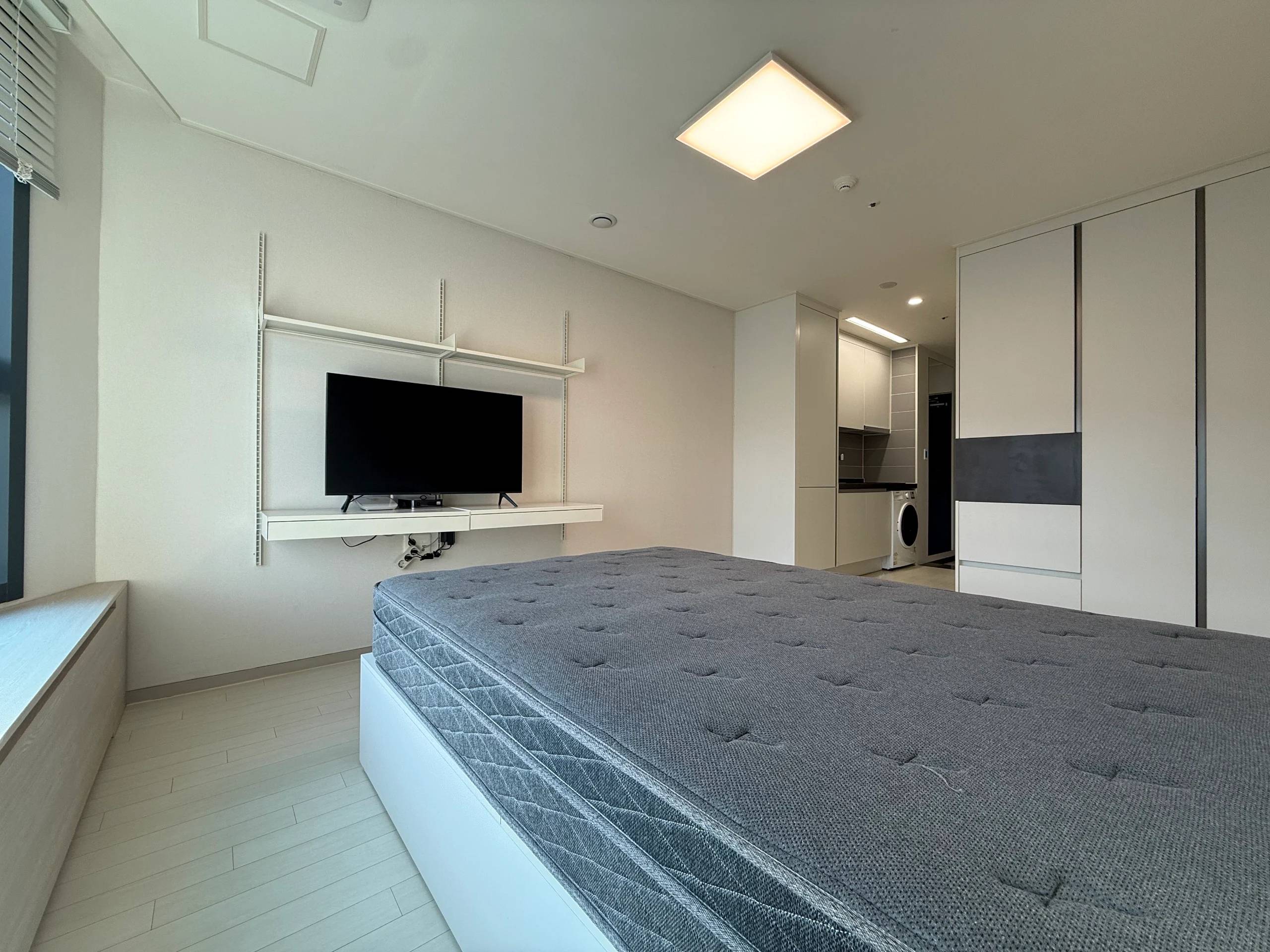
1BR, 1BA, ARC, Rent Free for 6mo. or 12mo. Contract, Premier.
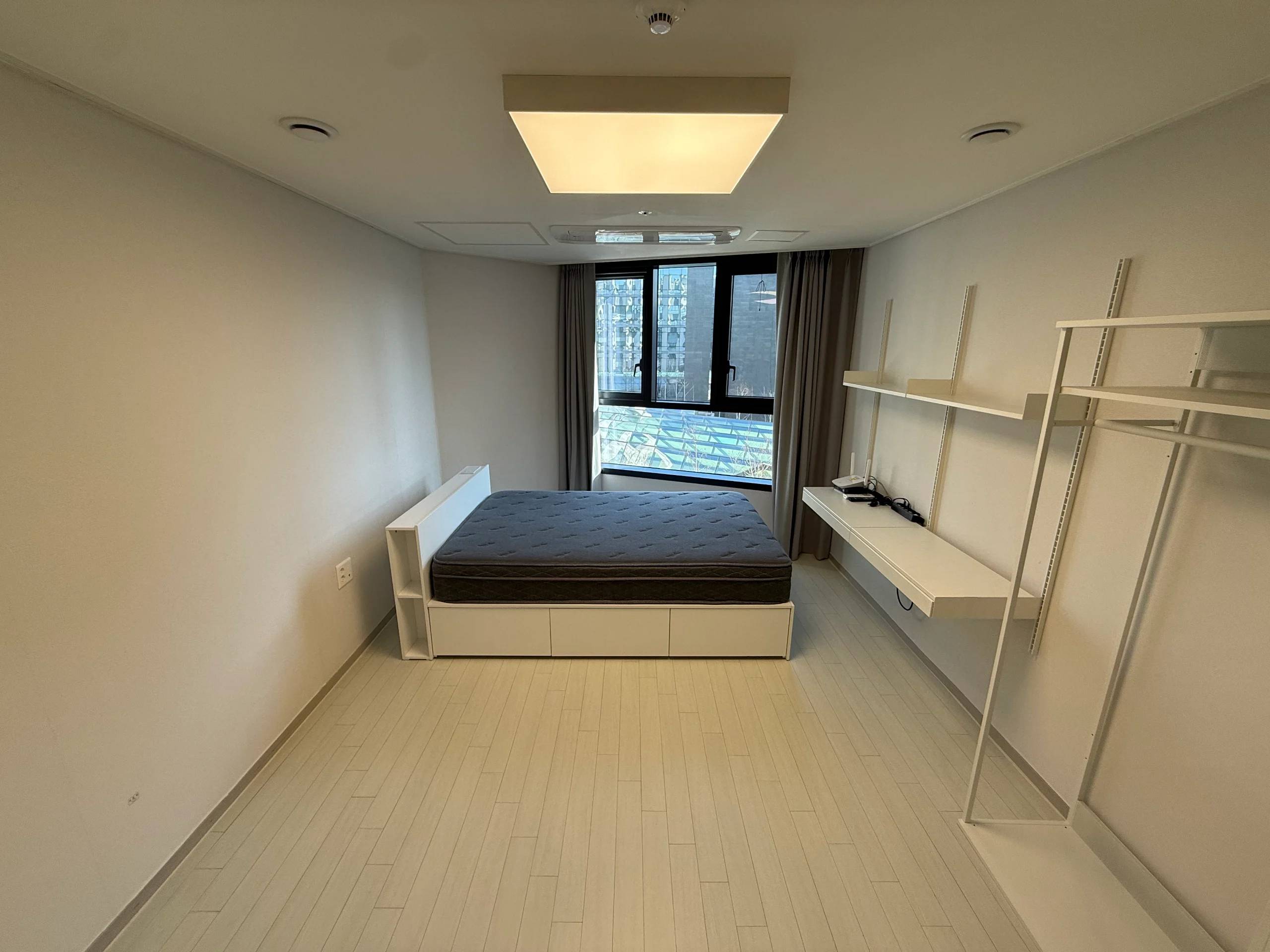
1BR, 1BA, ARC, Rent Free for 6mo. or 12mo. Contract, Superior.
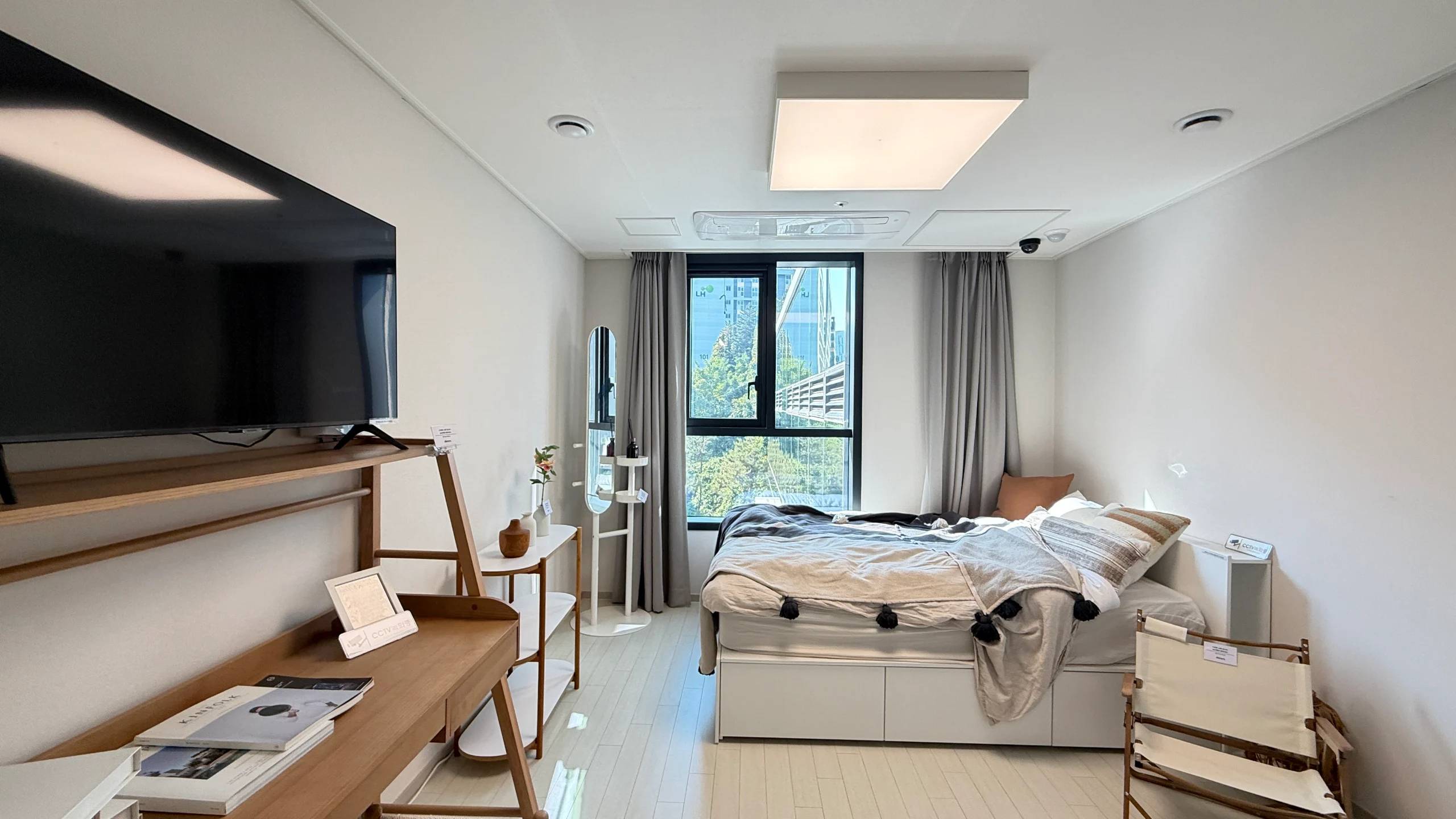
1BR, 1BA, ARC, Rent Free for a year contract. Nice Community.
Bundang, Pangyo and Sujeong
Bundang-gu is the first-generation new town: large apartment complexes, strong schools, Jeongja and Seohyeon as the commercial centers, and the deepest housing stock in the city. Pangyo, at Bundang's southern edge, is the newer and more expensive end, built around the Techno Valley office cluster. Sujeong-gu and Jungwon-gu form the older northern half — closer to Seoul, more mixed in building age, and generally the more affordable entry point.
Getting to work
The Shinbundang Line runs from Gangnam through Jeongja, which is what makes a Seongnam address workable for a Gangnam job; the Bundang Line and Line 8 cover the rest of the city. If you work in Pangyo itself, living in Bundang usually means a commute measured in minutes rather than an hour — the main reason people move here from Seoul rather than the other way round.
Home types and value
Apartments in large complexes dominate, with a good supply of officetels near the Pangyo and Jeongja office clusters for singles and couples. Newer stock and larger floor plans are the trade against a comparable Gangnam budget. Our relocation page for Pangyo covers the commuter angle, and the Gyeonggi-do housing guide compares Seongnam with the other Gyeonggi options.
Leases and what to check
Bundang jeonse deposits are high by Gyeonggi standards but still below Gangnam, and both jeonse and wolse are readily available — so the choice is a real calculation here, not a formality. See jeonse vs wolse vs buying, confirm the maintenance fee separately, and read renting in Seoul as a foreigner for the contract steps.
Frequently Asked Questions
What is the difference between Bundang, Pangyo and Sujeong?
Bundang-gu is the mature first-generation new town with the deepest housing stock. Pangyo, at its southern edge, is newer and pricier, built around Techno Valley. Sujeong-gu and Jungwon-gu are the older northern half — closer to Seoul and generally more affordable.
Can you commute to Gangnam from Seongnam?
Yes. The Shinbundang Line runs from Gangnam through Jeongja, which is what makes a Seongnam address workable for a Gangnam job. The Bundang Line and Line 8 cover the rest of the city.
Is Seongnam a good base for a Pangyo job?
It is the usual choice. Living in Bundang typically means a commute to Pangyo measured in minutes rather than an hour, which is why people move here from Seoul rather than the reverse.
Is Seongnam cheaper than Gangnam?
Generally yes, and the same budget tends to buy newer stock with a larger floor plan. Bundang is the expensive end of the city and Sujeong-gu the more affordable entry point.
What home types are common in Seongnam?
Mostly apartments in large complexes, plus a good supply of officetels near the Pangyo and Jeongja office clusters for singles and couples.